


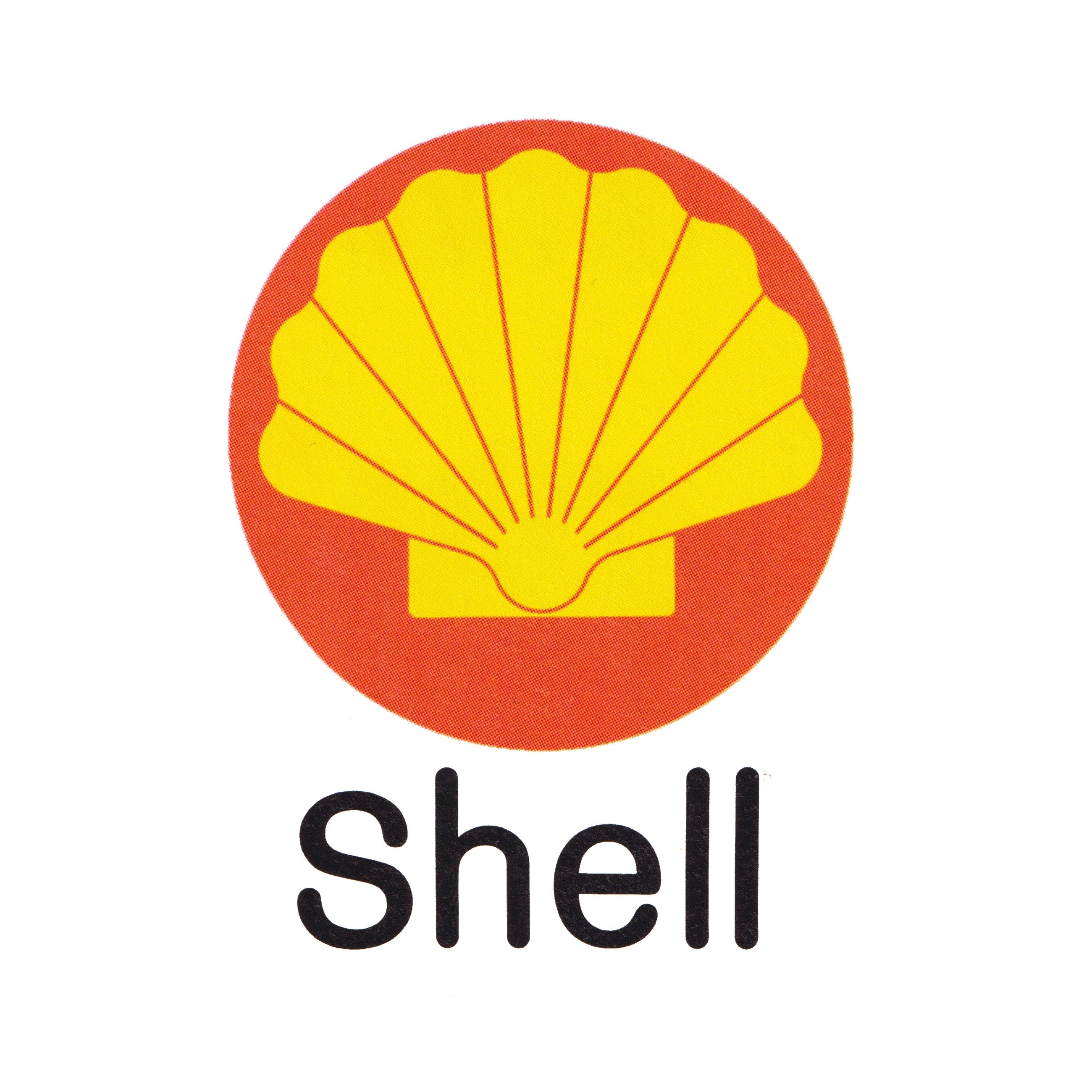
In 1964, four designers were asked to submit proposals to change Shell’s corporate image, having felt that the design, created two years prior, appeared dated as corporate identity design was modernised.
The designers invited were Yusaku Kamekura (Japan), the designer of the previous logo Raymond Loewy, c.e.i. (France), FHK Henrion, HDA International (Great Britain) and Karl Gerstner, GGK (Switzerland).

GGK, led by Gerstner, was asked to demonstrate how an agency that had a reputation for an ‘avant-garde approach’ would imagine the Shell identity - within the constraints and conditions of such large scale organisation.
Reflecting back on the project, Gerstner noted that: “Shell was one of those cases in which the trademark was essential to corporate identity. The trademark gave the company [Shell] a sharply defined profile among thousands of filling stations. It mobilizes the confidence customers have in its products. And, in fact, the harder it becomes to distinguish among competing products, the more important the trademark is. Gasoline is gasoline.”
All four designers invited to submit proposals were given a free hand and the liberty to explore the potential of a new visual image for Shell. (Read: Kamekura’s Shell).
Continue reading to understand the process and design decisions made by Gerstner while working on the project. See how he developed a corporate typeface proposal from Akzidenz Grotesk, and returned to the scallop for inspiration for a new Shell logo.

Go behind the logos. Explore 200+ more in-depth and meticulously researched logo histories that reveal the design decisions and ideas behind the world’s most iconic logos and important corporate identities.
→ free previews
→ join here
